
ENFIELD: Sitting down at Aroma Maya Coffee & Donuts in Enfield, Wendy Jarema didn’t mince words about the state of negotiations between long-term care workers and the provincial government.
The president of CUPE Local 5165, which represents workers at The Magnolia in Enfield, said talks have stalled, leaving job action increasingly likely.
“We’ve been given the same deal at every meeting,” Jarema told The Laker News. “There hasn’t really been any negotiation; it’s been ‘this is what we’re offering, take it or leave it.’”
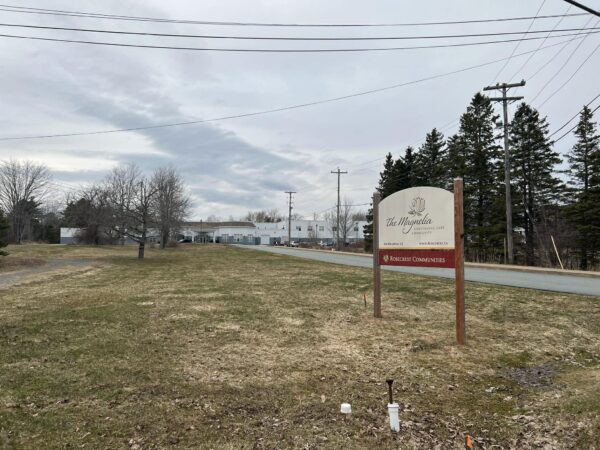
CUPE represents roughly 5,000 long-term care workers across Nova Scotia, including more than 70 members at The Magnolia. Their contract has been expired since October 2023.
In a response to The Laker News, Alyse Hand, media relations advisor with the Executive Council Office, said the province believes the current deal is fair and represents a significant investment.
“The deal on the table represents a significant investment ($55 million annually),” Hand said.
“It matches what those working in hospitals in acute care and home care already receive and has been accepted by more than 20 long-term care facilities in the last five months.”
ADVERTISEMENT:
Hand said the agreement includes wage increases ranging from 12 to 24 per cent over four years, along with retroactive pay dating back to 2023.
Government has also invested heavily in the sector in recent years, she said, including a 23 per cent wage increase for continuing care assistants in 2022 and free tuition to train thousands of new workers.
Hand added CUPE leadership rejected the offer without allowing members to vote on it.
Jarema maintains the offer does not address what workers see as a real wage gap between long-term care and acute care.
“We have members who can go to acute care and make $4 or more an hour extra,” she said.
“That makes recruitment and retention very difficult.”
The union is calling for a “$5 fix” over four years to close that gap, though Jarema noted even that would not fully solve the issue long-term.
“We’re always playing catch-up,” she said.
ADVERTISEMENT:
Staffing shortages remain a key concern inside facilities like The Magnolia.
Jarema said some workers are putting in more than 60 hours a week.
“That puts staff at risk, and it puts residents at risk because people are exhausted,” she said.
She added that while training incentives exist, many workers eventually leave long-term care for higher-paying jobs elsewhere.
While more than 20 CUPE locals across the province are in a legal position to strike, Hand said no formal 48-hour strike notice has been received.
“Any talk of a potential strike is stressful,” Hand said, adding that many facilities would continue operating as normal even in the event of job action.
Under Nova Scotia’s Essential Health and Community Services Act, long-term care homes must maintain core services during a strike.
ADVERTISEMENT:
Jarema said even with essential services maintained, residents would feel the effects.
“Personal care, meals, and medications will continue,” she said. “But it’s the extras that may go—time spent with residents, activities, those personal touches.”
She said those moments are a key part of the job.
“We don’t do this to get rich,” she said. “We do it because we care. These residents are like family.”
Hand said essential care would continue, including meals, dressing, personal care, and medications, emphasizing that resident safety remains the province’s top priority.
ADVERTISEMENT:
Jarema said workers are ultimately looking for meaningful movement in negotiations.
“Come back with something we can actually talk about,” she said. “There’s nothing to discuss if it’s the same offer every time.”
She also pointed to rising living costs, saying some workers are struggling to make ends meet.
“In 2026, people shouldn’t be choosing between rent, food, and gas,” she said.
Hand said the province remains committed to reaching a resolution.
“We continue to look forward to a positive resolution to this matter,” she said.